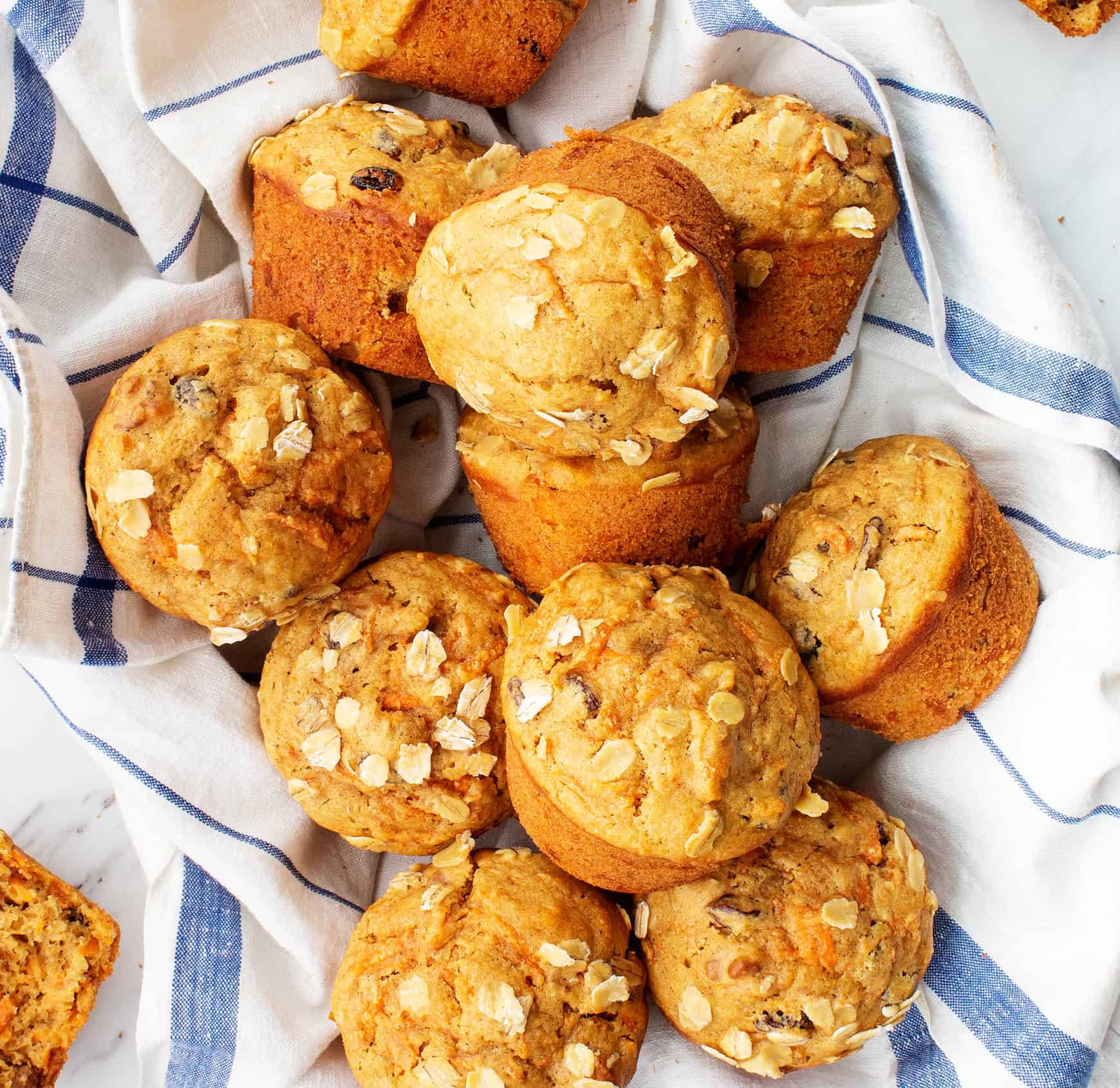
Unlock Wholesome Goodness: Dive into Healthy Muffin Recipes
In a world often rushing, the simple pleasure of a homemade muffin can be a comforting pause. But what if that indulgence could also be incredibly nutritious? Welcome to the delightful realm of healthy muffin recipes, where flavor meets wholesome ingredients to create perfect bites for any time of day. Whether you're seeking a quick grab-and-go breakfast, a satisfying afternoon snack, or a guilt-free dessert, homemade healthy muffins offer an unparalleled combination of taste and nourishment.
Far from the sugar-laden, oversized options found in coffee shops, these recipes focus on natural sweetness, fiber-rich whole grains, and nutrient-dense additions. They're not just for health-conscious adults; many healthy muffin recipes are designed with kids in mind, making them an excellent way to sneak in fruits, vegetables, and essential nutrients into little diets. Forget the notion that healthy means bland – we're talking about muffins packed with vibrant flavors and textures that will make your taste buds sing.
The Undeniable Appeal of Homemade Healthy Muffins
There’s a unique satisfaction that comes from baking your own muffins. Beyond the aroma filling your kitchen, homemade healthy muffins offer complete control over ingredients, ensuring you avoid unwanted additives, excessive sugars, and unhealthy fats often found in store-bought alternatives. This control allows for customization to suit various dietary needs and preferences, from gluten-free to dairy-free, or nut-free options.
These versatile treats truly shine in their ability to fit into any part of your day. Imagine starting your morning with a fiber-packed berry muffin, knowing you’re fueling your body with sustained energy. Or reaching for a hearty banana oat muffin during a midday slump, instead of a processed snack. Even as a light dessert, a subtly sweet apple cinnamon muffin can satisfy your cravings without derailing your health goals. The convenience is also a major plus: most healthy muffin recipes are fantastic for meal prepping. Whipping up a double batch on the weekend means you have delicious, wholesome options ready for the entire week, whether chilled or quickly reheated. This foresight makes healthy eating an effortless part of your daily routine, proving that nutritious choices don't have to be time-consuming or complicated.
Mastering Healthy Muffin-Making: Essential Tips for Success
Baking is often described as a science, and for good reason. Unlike cooking, where a pinch of this or a dash of that often works, successful baking hinges on precise ratios and understanding how ingredients interact. When diving into healthy muffin recipes, a few golden rules will ensure consistently delicious results every time.
1. Embrace the Recipe: Precision is Key
The single most important piece of advice for baking, especially when working with healthy adaptations, is to follow the recipe meticulously. The balance between dry and liquid ingredients is crucial for texture, rise, and moisture. Altering these ratios can lead to muffins that are too dense, too crumbly, or fail to rise properly. For instance, reducing liquids too much might result in a dry, hockey-puck-like muffin, while adding too much liquid can create a gummy, sunken center. Use accurate measuring cups and spoons, and for dry ingredients like flour, consider using a kitchen scale for the most precise measurements.
2. Understand Your Flours: Not All Are Created Equal
When it comes to healthy baking, flour choices are diverse, but they are absolutely not interchangeable. Each type of flour possesses unique properties that significantly impact the final product:
- Whole Wheat Flour: Adds fiber and nutrients but can make muffins denser. Recipes using it often account for this with extra moisture.
- Oat Flour: Lighter than wheat flour by weight, it's gluten-free and adds a tender crumb, but it absorbs liquids differently.
- Almond Flour: Also gluten-free, it's low in carbs and high in protein, but lacks gluten, meaning it needs binders (like eggs) and less liquid to prevent a crumbly texture.
- Coconut Flour: This is a powerhouse of absorption, soaking up liquids like a sponge. Using even a small amount requires significant adjustments to liquid content in a recipe designed for other flours. Substituting coconut flour directly for wheat flour will result in a very dry, dense, and unappetizing muffin.
If a recipe calls for a specific flour, stick to it. If you need to make a substitution for dietary reasons, seek out a recipe specifically formulated for that alternative flour, or consult a conversion chart from a reliable baking resource. Experimenting with flour substitutions without proper knowledge often leads to disappointing results, especially with intricate healthy muffin recipes.
3. Don't Overmix
Once wet and dry ingredients are combined, mix just until no streaks of flour remain. Overmixing develops the gluten in wheat-based flours, leading to tough, chewy muffins instead of light, tender ones. For gluten-free flours, overmixing can still negatively impact texture by making them dense.
4. Embrace Natural Sweeteners and Add-Ins
Many healthy muffin recipes leverage natural sweeteners like ripe bananas, applesauce, dates, or a touch of maple syrup or honey. These not only provide sweetness but also contribute moisture and nutrients. Don't shy away from incorporating a variety of wholesome add-ins:
- Fruits: Berries (blueberries, raspberries), chopped apples, shredded carrots, mashed bananas, pumpkin puree.
- Nuts & Seeds: Walnuts, pecans, chia seeds, flax seeds, sunflower seeds for healthy fats and crunch.
- Spices: Cinnamon, nutmeg, ginger, and cardamom enhance flavor without adding sugar.
Exploring a World of Healthy Muffin Variations
The beauty of healthy muffin recipes lies in their incredible versatility. There’s truly a healthy muffin for every palate and dietary need. From vibrant fruit-packed options to savory, veggie-infused creations, the possibilities are endless. For even more diverse and delicious options, be sure to explore healthy muffin recipes - Article 1.
Fruit-Forward Muffins: Nature's Candy
These are perhaps the most popular category, relying on the natural sweetness and moisture of fruits. Think classic banana oat muffins, bursting blueberry power muffins, or spiced apple-cinnamon delights. Often made with whole grain flours or oats, these provide fiber and antioxidants, making them perfect for breakfast or a sweet treat.
Veggie-Packed Surprises: Sneaking in Goodness
Don't limit muffins to just fruits! Shredded zucchini, carrots, or even finely chopped spinach can disappear into a muffin batter, adding nutrients and moisture without altering the flavor profile significantly. Imagine a carrot-ginger muffin with a hint of warmth, or a "green" muffin that tastes surprisingly like banana bread. These are particularly fantastic for fussy eaters, both young and old.
Protein & Fiber Powerhouses: Sustained Energy
For those needing a more substantial snack or breakfast, recipes incorporating ingredients like protein powder, Greek yogurt, cottage cheese, nuts, or seeds are ideal. These muffins offer a balanced macronutrient profile, helping to keep you feeling fuller for longer. A peanut butter protein muffin or a flaxseed and berry muffin can be a game-changer for active individuals.
Gluten-Free and Dairy-Free Delights
With increasing awareness of food sensitivities, the world of gluten-free and dairy-free healthy muffin recipes has exploded. Using flours like oat, almond, or coconut, and replacing dairy with plant-based milks, yogurts, or applesauce, ensures everyone can enjoy a delicious muffin without discomfort. These specialized recipes prove that dietary restrictions don't mean sacrificing flavor or texture.
Meal Prep & Freezer-Friendly: Your Healthy Eating Secret Weapon
One of the most practical benefits of healthy muffin recipes is their remarkable suitability for meal preparation and freezing. Investing a little time on a weekend can stock your freezer with wholesome, ready-to-eat options for weeks. This strategy is invaluable for busy mornings, unexpected hunger pangs, or simply ensuring you always have a nutritious choice on hand.
To maximize their freezer-friendliness, allow muffins to cool completely before transferring them to an airtight container or freezer bag. They can typically be stored for 2-3 months without significant loss of quality. When hunger strikes, simply pull one out and let it thaw at room temperature, or gently reheat in a microwave or oven. This convenience is a powerful tool in maintaining a healthy lifestyle, helping you bypass less desirable options when time is short.
Conclusion: Bake Your Way to Better Health
Embracing healthy muffin recipes is more than just learning to bake; it's about investing in your well-being. By choosing to create these delightful treats at home, you take control of your nutrition, fill your kitchen with inviting aromas, and provide yourself and your loved ones with genuinely wholesome food options. From hearty breakfast solutions to satisfying snacks and even light desserts, these muffins prove that healthy eating can be both easy and incredibly delicious.
So, preheat your oven, gather your wholesome ingredients, and embark on a rewarding journey of baking. With a little precision and creativity, you'll soon discover your own favorite healthy muffin variations that nourish both body and soul. And if you're eager for more inspiration and guidance, don't miss healthy muffin recipes - Article 3 for additional insights and tips to further elevate your baking game!
